
How Long Does Concrete Take to Dry and Cure?
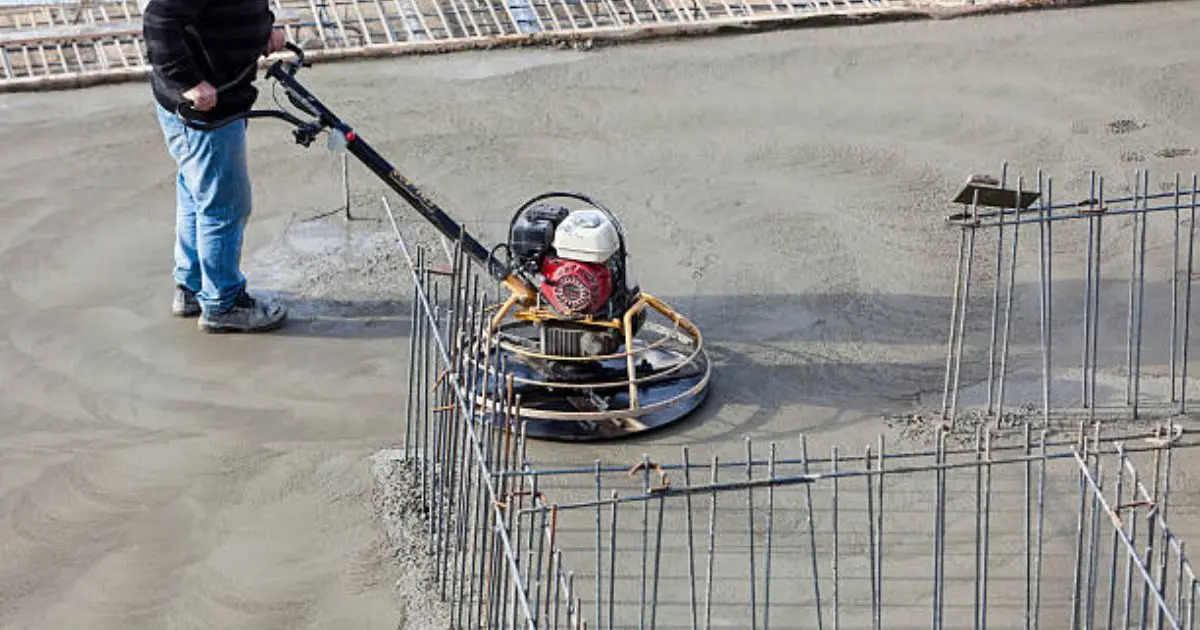
Table of Contents
Concrete takes 24 to 48 hours to set enough for foot traffic, 7 days for vehicle traffic, and 28 days to reach full design strength of 3,000 PSI under standard conditions. These timelines assume ambient temperatures between 50 and 85 degrees Fahrenheit and proper curing practices. Hotter temperatures speed up initial setting but can weaken the final product. Colder temperatures slow the process significantly. This guide walks through each phase of concrete drying and curing, what affects the timeline, and how to avoid the most common curing mistakes in 2026.
Step 1: Understand the Difference Between Drying and Curing
Concrete drying and concrete curing are two different processes that happen simultaneously but serve different purposes. Drying is the evaporation of water from the concrete surface and interior. Curing is the chemical reaction (hydration) between cement and water that gives concrete its strength.
The distinction matters because concrete actually needs to stay moist to cure properly. If concrete dries too fast, it loses the water needed for the hydration reaction, resulting in a weaker slab with surface cracking. This is why contractors apply curing compounds, plastic sheeting, or wet burlap to freshly poured concrete.
According to the American Concrete Institute, concrete that is kept moist for 7 days develops approximately 70% of its 28-day compressive strength [1]. Concrete that dries out within 3 days may only reach 40% to 50% of its potential strength, significantly reducing its lifespan and load capacity.
Step 2: Initial Set (0 to 24 Hours)
Concrete begins to set within 2 to 4 hours of being poured under normal conditions (60 to 80 degrees Fahrenheit). During this window, the crew finishes screeding, floating, troweling, and applying the chosen surface finish. Once the bleed water evaporates and the surface can no longer be worked, the concrete enters initial set.
The concrete surface becomes firm enough to resist light indentation at 6 to 10 hours. By 24 hours, most concrete slabs can support careful foot traffic. Avoid walking on fresh concrete before the 24-hour mark, as footprints pressed into partially set concrete are permanent.
Temperature has the biggest effect on initial set time. At 90 degrees Fahrenheit, concrete may begin to set in 1 to 2 hours and become firm in 4 to 6 hours. At 50 degrees Fahrenheit, initial set may take 4 to 8 hours and firm set may not occur for 12 to 18 hours. Below 40 degrees, concrete setting slows dramatically and protective measures are required to prevent freezing.
Step 3: Early Strength Development (1 to 7 Days)
Concrete gains strength rapidly during the first 7 days after pouring. By day 3, concrete reaches approximately 40% to 50% of its 28-day design strength. By day 7, it reaches approximately 65% to 75% of design strength under standard curing conditions.
At the 7-day mark, most residential concrete slabs can handle light vehicle traffic. A standard 4-inch driveway with 3,000 PSI design strength has developed approximately 2,000 to 2,250 PSI by day 7, which comfortably supports passenger cars and light trucks.
During this first week, keep the concrete surface moist. Apply a curing compound (liquid membrane) immediately after finishing, or cover the slab with plastic sheeting or damp burlap for at least 7 days. The Portland Cement Association recommends maintaining moisture on the surface for a minimum of 7 days for standard concrete [2].
Avoid placing heavy loads, sharp objects, or concentrated point loads on the concrete during this period. Do not drag equipment, tools, or materials across the surface. These actions can gouge, crack, or otherwise damage concrete that has not yet reached adequate strength.
Step 4: Design Strength (28 Days)
Concrete reaches its specified design strength at 28 days. A 3,000 PSI mix achieves 3,000 pounds per square inch of compressive strength. A 4,000 PSI mix reaches 4,000 PSI. This is the industry standard measurement point used in all engineering specifications and building codes.
At 28 days, concrete can handle its full intended load. Heavy equipment, fully loaded trucks, and the structures the slab was designed to support can all be placed with confidence. Most construction activities on a concrete slab, including framing a building, can begin at 7 to 14 days with proper precautions, but the 28-day mark is when the slab is at full capacity.
Concrete does not stop gaining strength at 28 days. The hydration reaction continues for months and even years at a diminishing rate. Concrete at 90 days is typically 10% to 15% stronger than at 28 days. At one year, strength may be 20% to 25% above the 28-day measurement. The 28-day number is the design standard, not the maximum.
Step 5: How Temperature Affects Concrete Cure Time
Temperature is the single largest variable in how long concrete takes to cure. The relationship is straightforward. Warmer temperatures accelerate the hydration reaction. Cooler temperatures slow it down.
At 70 degrees Fahrenheit (the ideal curing temperature), concrete follows standard cure timelines. Walk at 24 hours. Light vehicles at 7 days. Full strength at 28 days.
At 50 degrees Fahrenheit, concrete curing slows by approximately 30% to 40%. Expect 36 to 48 hours before foot traffic, 10 to 14 days before vehicle traffic, and 35 to 42 days for full design strength. Pouring concrete in these conditions requires insulating blankets to maintain slab temperature during the first 72 hours.
At 90 degrees Fahrenheit, concrete sets and cures faster but may develop surface cracks if moisture evaporates too quickly. Hot weather concrete practices include using cold mixing water, scheduling pours for early morning or evening, shading the pour area, and applying curing compound immediately after finishing. The American Concrete Institute notes that concrete poured above 90 degrees Fahrenheit without hot-weather precautions can lose 10% to 15% of its ultimate compressive strength [1].
Below 40 degrees Fahrenheit, concrete is at risk of freezing before it gains adequate strength. Frozen concrete can lose 50% or more of its potential strength. Cold weather pouring requires heated enclosures, insulating blankets, and hot water in the concrete mix.
Step 6: How Slab Thickness Affects Drying Time
Thicker concrete slabs take longer to dry through their full depth, though surface cure times remain similar. A 4-inch slab reaches surface firmness at the same rate as a 6-inch slab. The difference is in moisture content deeper in the slab.
For applications where flooring or coatings will be applied on top of the concrete (garage floor epoxy, indoor flooring), the slab must be dry enough throughout its depth to prevent moisture problems. The general rule is one month of drying per inch of thickness. A 4-inch slab needs approximately 4 months to dry sufficiently for moisture-sensitive flooring. A 6-inch slab needs approximately 6 months.
Moisture testing with a calcium chloride test or a relative humidity probe determines when a slab is dry enough for flooring installation. Most flooring manufacturers require the concrete to test below 3 to 5 pounds of moisture per 1,000 square feet per 24 hours, or below 75% relative humidity at 40% depth.
Step 7: Avoid These Common Curing Mistakes
Letting concrete dry too fast is the most common mistake. Rapid moisture loss from the surface causes plastic shrinkage cracking within the first few hours after pouring. In hot, dry, or windy conditions, apply a curing compound or cover the surface with wet burlap immediately after finishing.
Adding water to the surface to make finishing easier is the second biggest mistake. Spraying water on concrete while finishing dilutes the surface cement paste, creating a weak top layer that spalls and flakes within 1 to 3 years. Professional finishers wait for bleed water to appear naturally and work the surface at the right moisture level.
Loading the slab too early causes cracks and permanent impressions. Heavy items placed on concrete at day 3 or 4 can cause hairline cracks that worsen over time. Respect the 7-day minimum for light vehicles and 28 days for full design loads.
Cutting control joints too late is another frequent error. Control joints should be cut within 6 to 18 hours of pouring (depending on temperature and set rate). Cutting after 24 hours allows random cracks to form before the relief joints can do their job.
When to Call a Professional Concrete Contractor
Pouring concrete involves precise timing that affects the slab’s performance for decades. The crew must finish the surface during a specific window after pouring, typically 1 to 4 hours depending on conditions. Finishing too early traps bleed water under the surface. Finishing too late means working concrete that has already begun to set.
Concrete curing compounds, mix additives, and finishing techniques require experience to execute properly. A professional concrete contractor understands how local climate conditions affect their timing and adjusts their process accordingly.
For any slab over 100 square feet, hiring a licensed concrete contractor produces a more reliable result than a DIY approach. The cost difference is recovered in slab longevity. A professionally poured and cured concrete slab lasts 25 to 30 years. A poorly cured DIY slab may develop cracks, spalling, and surface failure within 3 to 5 years.
Frequently Asked Questions
How long does concrete take to dry before you can walk on it?
Concrete is firm enough for careful foot traffic after 24 to 48 hours under normal conditions (50 to 85 degrees Fahrenheit). In hot weather above 80 degrees, the surface may be walkable in 12 to 24 hours. In cold weather below 50 degrees, wait 48 to 72 hours. Avoid walking on concrete before it is fully set, as footprints are permanent.
How long before you can drive on new concrete?
You can drive on new concrete after 7 days for passenger vehicles and light trucks. Wait 14 to 28 days for heavier vehicles like loaded pickup trucks or delivery vehicles. Full design strength at 28 days is recommended before placing any heavy equipment or loads on the slab.
Does concrete cure faster in hot weather?
Concrete sets and gains early strength faster in hot weather, but the final strength can actually be lower without proper curing practices. At 90 degrees Fahrenheit, concrete may set in half the normal time. The rapid surface drying can cause cracks and reduce overall strength by 10% to 15% if the concrete is not kept moist during the first 7 days.
What happens if it rains on fresh concrete?
Light rain on concrete that has been setting for more than 4 to 6 hours typically causes no damage. Rain on freshly poured concrete (within the first 1 to 2 hours) can wash cement from the surface, create a weak top layer, and leave pitting marks. Covering fresh concrete with plastic sheeting before rain arrives protects the surface during the vulnerable early hours.
How long does concrete take to cure in cold weather?
Concrete curing in cold weather (below 50 degrees Fahrenheit) takes 30% to 50% longer than standard conditions. Expect 35 to 42 days instead of 28 days for full design strength. Below 40 degrees, the hydration reaction slows dramatically and the concrete is at risk of freeze damage. Insulating blankets and heated enclosures protect concrete during cold weather pours.
Can you speed up concrete curing?
You can accelerate concrete curing by using a high-early-strength concrete mix (Type III cement), adding calcium chloride accelerator (1% to 2% by weight of cement), or using heated enclosures in cold weather. These methods increase early strength development. Curing compounds and blankets maintain proper moisture and temperature. Avoid adding extra water to the mix, which weakens the concrete.
What is 3000 PSI concrete and why does it matter?
3,000 PSI means the concrete can withstand 3,000 pounds of pressure per square inch after 28 days of curing. This is the standard strength for residential concrete including driveways, patios, sidewalks, and foundations. It handles the weight of residential structures and vehicle traffic without cracking. Higher PSI mixes (4,000 to 5,000) are used for commercial and industrial applications.
Start Quoting Concrete Projects Today
Use the Metal America Concrete app to instantly quote, sell, and manage concrete pad installations.
Get Started Free