
Shed Foundation Types and How to Install
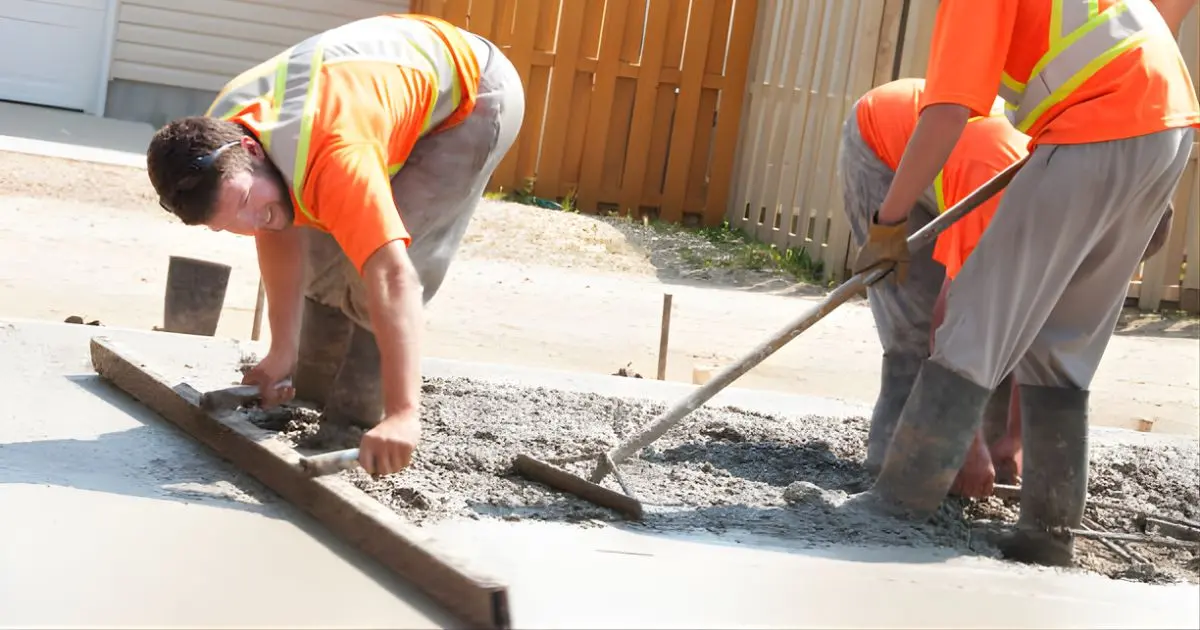
Table of Contents
A shed foundation costs $200 to $3,000 in 2026 depending on the foundation type and shed size. Concrete slab foundations cost $4 to $8 per square foot and are the best option for sheds over 100 square feet or sheds storing heavy equipment. Gravel pad foundations cost $2 to $5 per square foot and work well for smaller sheds on level ground. Concrete block pier foundations cost $200 to $800 and are the most economical option for small to medium sheds. This guide covers every shed foundation type, when to use each, and installation details.
Concrete Slab Foundation for Sheds
A concrete slab is the premium shed foundation option. It creates a permanent, level, moisture-proof surface that doubles as the shed floor. Concrete slab shed foundations cost $4 to $8 per square foot. A 10×10 slab runs $400 to $800. A 10×12 runs $480 to $960. A 12×16 costs $768 to $1,536.
Pour the slab 4 inches thick with wire mesh or fiber reinforcement for sheds storing normal household items, lawn equipment, and tools. Use #3 rebar at 18 inches on center for sheds that will house riding mowers, ATVs, motorcycles, or heavy workshop equipment.
A concrete slab prevents moisture from wicking up through the shed floor, eliminates rodent access from below, and supports any weight you might place inside. Concrete slabs are required for sheds with plumbing (converted workshops, she-sheds with sinks) and are recommended for any shed over 200 square feet.
The main drawback is cost and permanence. Once poured, a concrete slab is difficult to move or modify. If you might relocate the shed in the future, a gravel pad or pier foundation provides more flexibility.
Gravel Pad Foundation for Sheds
A gravel pad foundation is the most popular shed foundation for sheds under 200 square feet. It costs $2 to $5 per square foot. A 10×10 gravel pad runs $200 to $500. A 12×16 runs $384 to $960. The pad should extend 12 inches beyond the shed footprint on all sides for drainage.
Build a gravel pad by excavating the area to a depth of 4 to 6 inches, lining the excavation with landscape fabric to prevent weed growth, and filling with 3/4 inch crushed stone. Compact the gravel with a plate compactor. Some builders frame the pad with pressure-treated 4×4 or 6×6 timbers to contain the gravel.
Gravel pads provide excellent drainage, which protects the shed from ground moisture. The loose gravel surface allows water to flow through and away from the shed base. Gravel also provides a level surface that distributes the shed’s weight evenly across the ground.
The limitation of gravel pads is that they do not serve as a finished floor. The shed must have its own floor system (plywood subfloor on joists). Gravel can also shift over time on sloped ground, requiring occasional releveling. For large or heavy sheds, a concrete slab provides better long-term stability.
Concrete Block Pier Foundation for Sheds
Concrete block piers are the simplest and most affordable shed foundation option. Solid concrete blocks (8x8x16 inches or 4x8x16 inches) are placed at regular intervals under the shed’s floor frame to support the structure. A typical shed uses 6 to 12 blocks depending on size.
Concrete block pier foundations cost $200 to $800 including blocks, gravel, and leveling materials. Solid concrete blocks cost $2 to $5 each at home improvement stores. The blocks are placed on compacted gravel bases at the corners and at regular intervals (every 4 to 6 feet) along the perimeter and under any interior support points.
Level each block carefully using a 4-foot level and adding or removing gravel underneath until all blocks are in the same plane. The shed’s treated-lumber floor frame sits directly on the blocks. Composite shims fine-tune the level between the blocks and the frame.
Block pier foundations work best for small to medium sheds (up to about 12×16 feet) on relatively level ground. They are not recommended for large sheds, sheds on slopes, or areas with freeze-thaw cycles that can shift individual blocks. In cold climates, the blocks should sit on gravel that extends below the frost line to prevent heaving.
Choosing the Right Shed Foundation Type
For sheds under 100 square feet on level ground, concrete block piers or a gravel pad are the most practical and cost-effective options. These small sheds do not generate enough weight to require a concrete slab, and the lower cost foundations perform perfectly well.
For sheds 100 to 200 square feet, a gravel pad is the best balance of performance and cost. The pad provides even support, excellent drainage, and a stable base. A concrete slab is an upgrade worth considering if the shed will be used as a workshop with heavy equipment.
For sheds over 200 square feet, a concrete slab is the recommended foundation. Larger sheds exert more force on the ground, and the continuous support of a concrete slab prevents uneven settling that pier or gravel foundations may experience over time.
For sheds storing vehicles (riding mowers, ATVs, motorcycles), choose a concrete slab regardless of shed size. The combined weight of the shed structure and vehicles requires the structural capacity of reinforced concrete. A 4-inch slab with wire mesh handles light vehicles. A 5-inch slab with rebar handles heavier equipment.
Shed Foundation Site Preparation
Choose a location that naturally drains away from the foundation site. Avoid low spots where water collects after rain. The ideal shed location has gentle slope away from the foundation on all sides. If the site is flat, create a slight grade during preparation.
Check local building codes and setback requirements before selecting a location. Many jurisdictions require sheds to be set back 5 to 15 feet from property lines and may require permits for sheds over a certain size (commonly 100 to 200 square feet). Homeowner associations may have additional restrictions on shed placement and appearance.
Clear the site of all vegetation, roots, and organic material. Remove topsoil in the foundation area because organic soil decomposes and creates voids. Compact the exposed subsoil with a plate compactor or hand tamper before adding gravel base material.
For concrete slab foundations, the excavation depth should accommodate 4 to 6 inches of compacted gravel base plus the slab thickness (typically 4 inches). For gravel pad foundations, excavate 4 to 6 inches for the gravel fill. For block piers, dig individual holes at each pier location deep enough for 4 to 6 inches of gravel below each block.
Shed Foundation Drainage and Moisture Protection
Water management around the shed foundation prevents the two most common shed problems. Moisture under the shed causes wood rot in the floor frame and base. Standing water against the shed walls promotes siding deterioration and insect access.
Grade the ground surface to slope away from the shed foundation at 1/4 inch per foot for at least 4 to 6 feet on all sides. This directs rainwater and snowmelt away from the base. For gravel pad foundations, the gravel itself provides drainage, but the surrounding grade should still slope outward.
For concrete slab foundations, a 6-mil polyethylene vapor barrier between the gravel base and the concrete prevents ground moisture from wicking up through the slab. This vapor barrier is standard practice in slab construction and costs only $0.05 to $0.10 per square foot in materials.
Consider adding a gravel perimeter (6 to 12 inches wide, 4 inches deep) around the foundation edge. This gravel strip absorbs splash-back from roof drip lines and prevents mud from splashing onto the shed walls. If the shed has gutters, direct downspouts at least 4 feet away from the foundation.
Shed Foundation Permit Requirements
Permit requirements for shed foundations vary by jurisdiction. Many cities and counties require permits for sheds over 100 to 200 square feet. Some jurisdictions require permits for any permanent structure regardless of size. Permit fees typically range from $50 to $300.
Even when permits are not required for the shed itself, the concrete foundation may require a separate permit or inspection. This is most common when the concrete slab exceeds a certain size or when the shed will have electrical or plumbing connections.
Check with your local building department before starting any shed foundation work. Building without a required permit can result in fines, required removal, and complications when selling the property. The building department will also confirm setback requirements and any restrictions on shed size and placement.
Frequently Asked Questions
What is the best foundation for a shed?
A concrete slab is the best overall shed foundation for sheds over 100 square feet. It provides a permanent, level, moisture-proof surface that doubles as the shed floor. For smaller sheds under 100 square feet, a compacted gravel pad offers excellent performance at lower cost. The best choice depends on shed size, intended use, and budget.
How thick should a concrete slab be for a shed?
A 4-inch thick concrete slab with wire mesh reinforcement works for storage sheds and small workshops. Use a 5-inch thick slab with #3 rebar at 18 inches on center for sheds housing vehicles (riding mowers, ATVs, motorcycles) or heavy workshop equipment. Standard 3,000 PSI concrete is sufficient for all residential shed applications.
Do I need a foundation for a small shed?
Every shed needs some form of foundation, even small ones. A shed placed directly on bare ground will settle unevenly, trap moisture against the floor, and deteriorate prematurely. For small sheds under 64 square feet, concrete block piers are the minimum recommended foundation. They keep the shed level and elevated above ground moisture.
How much does a shed foundation cost?
Shed foundation costs range from $200 to $3,000 in 2026. Concrete block piers cost $200 to $800. Gravel pad foundations cost $200 to $1,500. Concrete slab foundations cost $400 to $3,000. A typical 10×12 shed needs a $480 to $960 concrete slab, $240 to $600 gravel pad, or $250 to $500 in concrete block piers.
Can I put a shed on gravel?
A compacted gravel pad is an excellent shed foundation for sheds under 200 square feet. Use 3/4 inch crushed stone compacted in a 4 to 6 inch layer over landscape fabric. The pad should extend 12 inches beyond the shed on all sides. Gravel provides drainage, prevents moisture contact, and creates a level base. The shed needs its own floor system (joists and plywood) over the gravel.
Do I need a permit for a shed foundation?
Permit requirements vary by location. Many jurisdictions require permits for sheds over 100 to 200 square feet or for any concrete foundation. Some areas exempt small accessory structures from permits. Check with your local building department before starting work to avoid fines and complications. Permit fees typically range from $50 to $300.
How long does a shed foundation last?
A concrete slab shed foundation lasts 30 to 50 years with no maintenance. A compacted gravel pad lasts 15 to 25 years before potentially needing releveling or additional gravel. Concrete block piers last 20 to 30 years but may need releveling in freeze-thaw climates. Proper drainage around any shed foundation type extends its effective lifespan significantly.
Start Quoting Concrete Projects Today
Use the Metal America Concrete app to instantly quote, sell, and manage concrete pad installations.
Get Started Free