
Concrete Foundation Cost and 2026 Ranges by Type
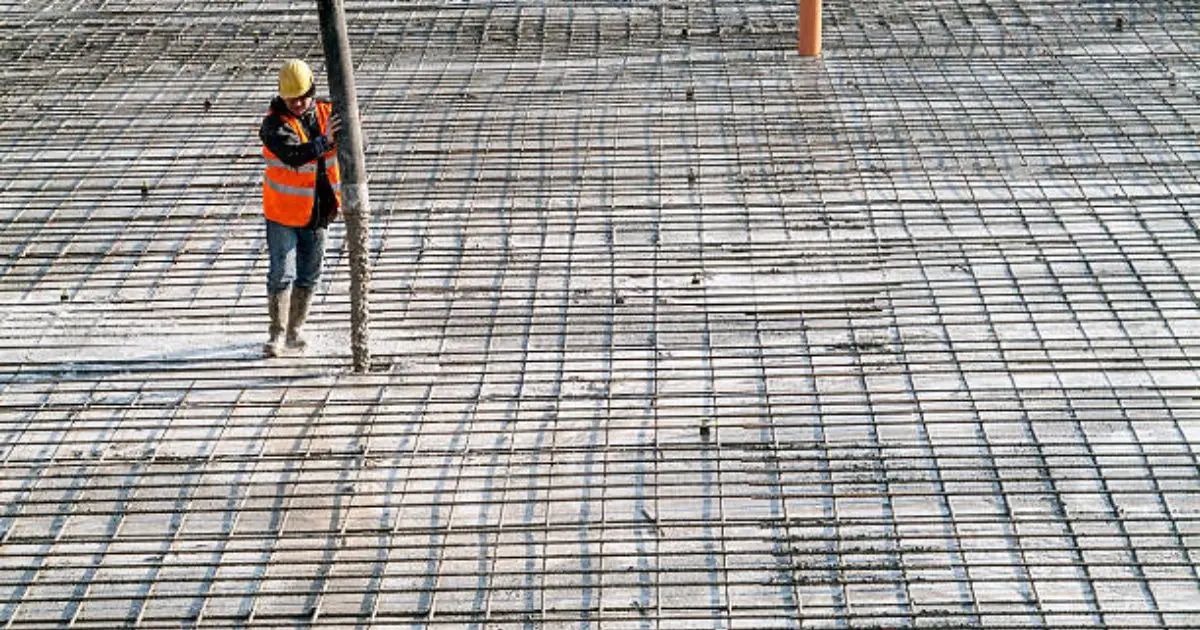
Table of Contents
Concrete foundation costs range from $4 to $15 per square foot in 2026, with the national average for a 1,500 square foot home foundation running $6,000 to $22,500 depending on the foundation type. Slab foundations cost the least at $4 to $8 per square foot. Crawl space foundations run $7 to $14 per square foot. Pier and beam foundations cost $8 to $15 per square foot. Full basement foundations range from $15 to $35 per square foot. This guide breaks down concrete foundation cost by type, size, and the factors that push your project toward the high or low end of each range in 2026.
Slab Foundation Cost
A slab-on-grade foundation costs $4 to $8 per square foot in 2026. A monolithic slab (poured in one continuous pour with integrated thickened-edge footers) is the most common residential slab type. A 1,500 square foot monolithic slab runs $6,000 to $12,000. A 2,500 square foot slab costs $10,000 to $20,000.
Slab foundations use 3,000 PSI concrete with #3 rebar at 18 inches on center throughout the slab. The perimeter is thickened to 12 to 16 inches deep and 12 to 16 inches wide to create an integrated footer. Interior slab thickness is typically 4 to 6 inches over a 4 to 6 inch compacted gravel base with a 6-mil vapor barrier.
Slab foundations account for approximately 60% of new residential construction in the United States according to the National Association of Home Builders. They are the most cost-effective foundation type for flat lots with stable soil and moderate frost lines.
Crawl Space Foundation Cost
Crawl space foundations cost $7 to $14 per square foot in 2026. A 1,500 square foot home crawl space foundation runs $10,500 to $21,000. The additional cost over a slab pays for perimeter stem walls, floor framing (joists and subfloor), and the crawl space enclosure.
Crawl space stem walls are typically 8-inch concrete block or 6 to 8 inch poured concrete, sitting on footers that extend below the frost line. Interior piers provide additional support at longer joist spans. The crawl space height ranges from 18 to 48 inches.
Adding crawl space encapsulation ($3,000 to $8,000) with a vapor barrier, sealed vents, and a dehumidifier is recommended for moisture management. This adds to the initial foundation cost but prevents expensive moisture-related repairs later.
Pier and Beam Foundation Cost
Pier and beam foundations cost $8 to $15 per square foot in 2026. A 1,500 square foot foundation runs $12,000 to $22,500. Individual concrete piers cost $200 to $500 each, and a typical home requires 20 to 40 piers spaced 6 to 10 feet apart.
Pier and beam is the right choice for sloped lots, flood zones, and regions with highly expansive clay soil. The elevated structure provides crawl space access to plumbing, electrical, and HVAC systems. Pier depth depends on the local frost line and soil conditions, ranging from 12 inches in southern states to 48 inches or more in northern states.
Wood beam systems cost less upfront than steel I-beams but have shorter lifespans in high-moisture environments. Steel beams cost 30% to 50% more per linear foot but last significantly longer.
Basement Foundation Cost
Full basement foundations cost $15 to $35 per square foot in 2026. A 1,500 square foot basement runs $22,500 to $52,500. Basements are the most expensive foundation type because they require full-depth excavation (8 to 10 feet), poured concrete walls, waterproofing, drainage systems, and backfill.
A finished basement adds usable living space and can recoup 70% to 80% of its cost in added home value according to the National Association of Realtors. An unfinished basement costs less initially and can be finished later as budget allows.
Basements are standard in northern states where frost lines require deep footers anyway. In southern states where frost lines are shallow, the additional cost of a basement rarely justifies the investment unless the homeowner specifically wants below-grade living space.
Factors That Affect Concrete Foundation Cost
Soil conditions have the biggest impact on foundation cost. Stable, well-drained soil requires standard preparation. Expansive clay soil may require post-tension reinforcement (adding 15% to 25% to slab cost), deeper piers, or engineered fill. Rock excavation adds $5 to $15 per cubic yard over standard excavation costs.
Frost line depth affects footer and pier depth requirements. Shallow frost lines (12 inches in the South) keep costs low. Deep frost lines (48 inches or more in the North) increase excavation, concrete volume, and labor costs for all foundation types.
Site accessibility affects equipment and delivery costs. Tight lots, steep access roads, and remote locations increase mobilization fees and concrete delivery surcharges. A site that requires pump truck delivery instead of direct chute pour adds $500 to $1,500 to the concrete placement cost.
Regional labor rates vary by 30% to 50% across the country. Southern states generally have lower foundation labor costs than the Northeast and West Coast. Urban areas cost more than rural areas due to higher wages and permit requirements.
How to Save on Foundation Costs
Choose the right foundation type for your conditions. Do not over-build. A slab foundation on a flat lot with stable soil does not need the additional cost of a crawl space or pier system. Matching foundation type to site conditions is the single biggest cost decision.
Get three to five quotes from licensed foundation contractors. Foundation pricing varies significantly between contractors based on their equipment, crew size, and current workload. The lowest bid is not always the best value, but comparing multiple quotes reveals the fair market price for your project.
Schedule during off-peak months. Foundation work in late fall and winter (outside of freeze-prone regions) often costs 10% to 15% less than peak spring and summer pricing because contractor demand is lower.
Prepare the site yourself if possible. Clearing vegetation, removing debris, and rough-grading the lot before the foundation crew arrives can save $500 to $2,000 in site preparation charges.
When to Invest in a More Expensive Foundation
Invest in a crawl space or pier foundation on sloped lots where grading for a slab would cost more than the foundation upgrade. A lot with more than 3 feet of grade change across the building footprint is a strong candidate for an elevated foundation.
Invest in post-tension reinforcement ($1 to $2 per square foot additional) on expansive clay soil. Post-tension slabs resist soil movement better than standard reinforced slabs and reduce the likelihood of expensive foundation repair later. In Texas, Oklahoma, and parts of the Southeast, post-tension is becoming the standard for new construction.
Invest in a basement if you are building in a northern climate where deep footers are already required and you want additional living or storage space. The marginal cost of adding a basement when footers are already 4 feet deep is much less than adding a basement where shallow footers would otherwise suffice.
Frequently Asked Questions
How much does a concrete foundation cost?
A concrete foundation costs $4 to $35 per square foot in 2026 depending on the type. Slab foundations run $4 to $8 per square foot. Crawl space foundations cost $7 to $14. Pier and beam costs $8 to $15. Basement foundations run $15 to $35. A 1,500 square foot slab foundation averages $6,000 to $12,000.
Which foundation type is cheapest?
Slab-on-grade (monolithic slab) is the cheapest foundation type at $4 to $8 per square foot. It uses the least material and labor because the slab and footers are poured in a single operation with no elevated floor framing. Slab foundations work best on flat lots with stable soil and moderate frost lines.
How long does a concrete foundation last?
A properly constructed concrete foundation lasts 50 to 100 years or longer. Slab foundations require the least maintenance. Crawl space and pier foundations need periodic moisture management and inspection of wood components. The concrete itself does not degrade under normal conditions. Foundation failures are caused by soil movement, water damage, and poor original construction rather than concrete deterioration.
Does foundation type affect home value?
Foundation type affects home value primarily through buyer perception and regional expectations. In areas where basements are standard, a slab-only home may appraise lower. In areas where slabs are the norm, a crawl space or pier foundation does not add measurable value. A well-maintained foundation of any type supports full home value. Foundation problems reduce value by $10,000 to $50,000 or more.
How much does foundation repair cost?
Foundation repair costs $2,000 to $15,000 in 2026 depending on the foundation type and severity. Slab crack repair runs $500 to $3,000. Pier shimming costs $75 to $200 per pier. New pier installation costs $500 to $1,500 per pier. Mudjacking costs $500 to $1,500 per section. Full slab stabilization with helical piers costs $5,000 to $15,000.
Do I need an engineer for a foundation?
Most residential foundations in stable soil conditions use standard plans that do not require site-specific engineering. In areas with expansive clay soil, high water tables, or unusual site conditions, a geotechnical report ($1,500 to $3,000) and structural engineering ($2,000 to $5,000) are recommended and may be required by the building department. The engineering cost is small compared to the cost of foundation failure.
Start Quoting Concrete Projects Today
Use the Metal America Concrete app to instantly quote, sell, and manage concrete pad installations.
Get Started Free