
Cement vs Concrete and What Is the Difference
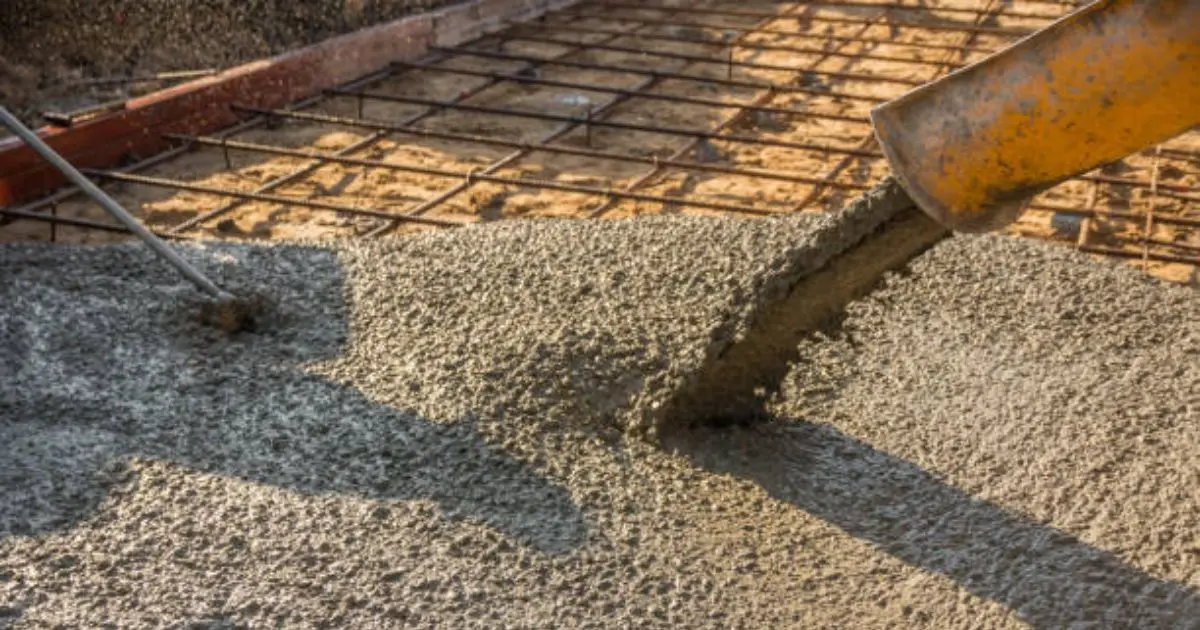
Table of Contents
Cement is a dry powder ingredient. Concrete is the finished building material made by mixing cement with water, sand, and gravel aggregate. Calling a sidewalk “cement” is like calling a cake “flour.” Cement makes up only 10% to 15% of concrete by volume. The rest is aggregate (60% to 75%) and water (15% to 20%). Understanding the cement vs concrete difference matters because it affects how you communicate with contractors, order materials, and evaluate project costs. This guide explains what cement and concrete actually are, how they work together, and when each term applies.
What Is Cement?
Cement is a fine gray powder manufactured by heating limestone, clay, and other minerals to approximately 2,700 degrees Fahrenheit in a rotary kiln. This process produces small lumps called clinker, which are then ground into the fine powder we call Portland cement. The name comes from the Isle of Portland in England, where a similar-looking natural limestone was quarried in the 1800s.
Portland cement is the most common type of cement used in construction worldwide. The Portland Cement Association estimates that over 90 million metric tons of Portland cement are produced annually in the United States [1]. Cement functions as the binding agent in concrete. When mixed with water, cement undergoes a chemical reaction called hydration that causes it to harden and bind the aggregate particles together.
Cement by itself has no structural value. It is too brittle and prone to cracking. You would never pour cement alone for a driveway, patio, or foundation. Cement is always combined with water and aggregate to make concrete, mortar, or grout.
A standard 94-pound bag of Portland cement costs $12 to $18 at home improvement stores in 2026. Cement sold in bulk to batch plants costs significantly less per ton. The price of cement directly affects the cost of concrete, but cement represents only a fraction of the total concrete cost.
What Is Concrete?
Concrete is a composite building material made by combining cement, water, sand (fine aggregate), and gravel or crushed stone (coarse aggregate). The cement-water paste coats and binds the aggregate particles together into a hard, stone-like mass that can support tremendous compressive loads.
Standard ready-mix concrete uses approximately 10% to 15% cement, 60% to 75% aggregate, and 15% to 20% water by volume. The specific proportions (called the mix design) determine the concrete’s strength, workability, and durability. A 3,000 PSI residential mix uses different proportions than a 5,000 PSI commercial mix.
Concrete is the most widely used building material on Earth. The American Society of Civil Engineers estimates that approximately 10 billion tons of concrete are produced globally each year [2]. Concrete is used for driveways, patios, foundations, sidewalks, retaining walls, commercial buildings, bridges, and infrastructure worldwide.
Ready-mix concrete delivered by truck costs $120 to $165 per cubic yard in 2026 for standard 3,000 PSI residential-grade material. One cubic yard covers approximately 81 square feet at 4 inches thick. The installed cost including labor, forming, and finishing runs $4 to $12 per square foot.
Cement vs Concrete: Key Differences
The cement vs concrete comparison comes down to one core fact. Cement is an ingredient. Concrete is the product. Every batch of concrete contains cement, but cement alone is never used as a finished building material in modern construction.
Cement is a dry powder that comes in bags or bulk. Concrete is a wet mixture that is poured into forms and cured into a solid. Cement has no structural strength by itself. Concrete develops compressive strength measured in PSI (pounds per square inch).
Cement is manufactured in a factory kiln process. Concrete is mixed at a batch plant or on-site from its component ingredients. Cement stores indefinitely when kept dry. Concrete must be placed within 60 to 90 minutes of mixing before it begins to set.
When someone says “cement driveway” or “cement patio,” they mean concrete. No contractor pours cement by itself. This terminology confusion is harmless in casual conversation, but understanding the distinction helps when reading product labels, comparing quotes, and discussing specifications with your concrete contractor.
Types of Cement Used in Concrete
Type I Portland cement is the general-purpose cement used in most residential and commercial concrete. It reaches design strength in 28 days and is suitable for applications where there are no special requirements for sulfate resistance or heat generation.
Type II Portland cement provides moderate sulfate resistance. It is used in concrete exposed to soil or groundwater with elevated sulfate levels, which is common in parts of the Southwest and coastal regions.
Type III Portland cement is high-early-strength cement. Concrete made with Type III cement gains strength faster, reaching 28-day equivalent strength in approximately 7 days. It costs more per bag but reduces the time before a slab can be put into service.
Type V Portland cement provides high sulfate resistance for severe exposure conditions. It is used in concrete structures in direct contact with high-sulfate soils or water.
Blended cements containing fly ash, slag, or silica fume are increasingly common. These supplementary materials reduce the cement content needed, lower concrete cost, improve long-term durability, and reduce the carbon footprint of concrete production.
Types of Concrete for Different Applications
Standard ready-mix concrete at 3,000 PSI is the default for residential projects including driveways, patios, sidewalks, and foundations. It provides adequate compressive strength for foot traffic, light vehicle loads, and residential building foundations.
High-strength concrete at 4,000 to 5,000 PSI handles commercial applications, heavy vehicle traffic, industrial floors, and structural elements. The higher cement content and lower water-to-cement ratio produce denser, stronger concrete.
Self-leveling concrete flows into place and levels itself without manual screeding. It is used for interior floor leveling, underlayment, and applications where a perfectly flat surface is required.
Fiber-reinforced concrete contains synthetic or steel fibers mixed throughout. The fibers reduce plastic shrinkage cracking and improve impact resistance. Fiber concrete is popular for garage floors, warehouse floors, and applications where surface cracking is a concern.
Lightweight concrete uses expanded shale, clay, or pumice aggregate instead of standard stone. It weighs 20% to 30% less per cubic yard and is used for elevated structures, roof decks, and applications where weight is a limiting factor.
Decorative concrete includes stamped, stained, exposed aggregate, and polished finishes. These are all standard concrete with surface treatments that create visual appeal. The base material is the same cement-water-aggregate combination.
Cement vs Concrete: Cost Comparison
Cement and concrete prices are measured differently. Cement is sold by the bag (94 pounds) or by the ton. A bag of Portland cement costs $12 to $18 in 2026. A ton of cement costs $120 to $150 wholesale.
Concrete is sold by the cubic yard. A cubic yard of standard 3,000 PSI ready-mix concrete costs $120 to $165 delivered. That cubic yard contains approximately 500 to 600 pounds of cement (roughly 5 to 6 bags worth), along with 1,700 to 2,000 pounds of aggregate and 250 to 300 pounds of water.
The cement in a cubic yard of concrete costs approximately $25 to $40 at wholesale prices. The aggregate costs approximately $15 to $25. Water is essentially free. Delivery, batching, and overhead make up the rest of the per-yard price.
When people ask about “cement cost” for a project, they typically mean concrete cost. A cement driveway cost of $6 to $15 per square foot is really a concrete driveway cost. The cement component represents roughly $0.30 to $0.50 of that per-square-foot price.
When Each Term Actually Matters
Use “cement” when referring to the dry powder ingredient. This includes discussions about cement types, cement manufacturing, cement prices per bag, and cement as a component of mortar and grout. When buying materials for a small DIY project, you buy bags of cement to mix yourself.
Use “concrete” when referring to the finished, pourable, structural building material. This includes concrete driveways, concrete slabs, concrete foundations, concrete cost per yard, and concrete contractor services. When hiring a professional for a project, you hire a concrete contractor.
The distinction matters most when ordering materials. If you call a batch plant and order “cement,” they may send you bags of dry cement powder instead of a truck of ready-mix concrete. If you ask a contractor for a “cement patio,” they will know you mean concrete but it signals unfamiliarity with the trade.
Mortar and grout are other cement-based products that are different from concrete. Mortar uses cement, sand, and water (no large aggregate) and is used to bind bricks, blocks, and stone. Grout uses cement, water, and fine sand and is used to fill joints in tile work. Both contain cement as a binding ingredient, just like concrete does.
Is cement the same thing as concrete?
Cement and concrete are not the same thing. Cement is a dry powder ingredient that makes up 10% to 15% of concrete by volume. Concrete is the finished building material made by combining cement with water, sand, and gravel aggregate. Cement is to concrete what flour is to bread. It is one essential ingredient, not the final product.
Frequently Asked Questions
Is a cement driveway the same as a concrete driveway?
When someone says "cement driveway" they mean a concrete driveway. No contractor pours cement alone. A concrete driveway is made from a mixture of cement, water, sand, and aggregate that is poured into forms, finished, and cured. The terms are used interchangeably in casual conversation, but "concrete driveway" is the technically correct term.
Which is stronger, cement or concrete?
Concrete is far stronger than cement alone. Cement by itself is brittle and cracks easily. Concrete develops compressive strength of 3,000 to 5,000 PSI or higher because the cement paste bonds the aggregate particles into a dense, stone-like mass. The aggregate provides the bulk and compressive strength. The cement provides the binding force.
How much cement is in a yard of concrete?
A cubic yard of standard concrete contains approximately 500 to 600 pounds of cement, which equals about 5 to 6 bags of 94-pound Portland cement. The rest of the cubic yard consists of approximately 1,700 to 2,000 pounds of sand and gravel aggregate and 250 to 300 pounds of water. Different mix designs use slightly different proportions.
Can I just use cement instead of concrete?
Cement alone should not be used as a structural building material. Without aggregate, a cement-and-water paste is brittle, cracks easily, shrinks excessively, and has no meaningful structural strength. Always combine cement with sand and gravel aggregate (plus water) to make concrete. For small patching or repair jobs, use a pre-mixed concrete or mortar product that already contains the right proportions.
Why do people call concrete cement?
People call concrete "cement" because cement is the most recognizable ingredient and the terms have been confused in everyday language for over a century. Construction professionals and suppliers use the terms correctly. The distinction matters when ordering materials and communicating specifications, but both terms are widely understood in casual conversation to refer to the finished gray building material.
Start Quoting Concrete Projects Today
Use the Metal America Concrete app to instantly quote, sell, and manage concrete pad installations.
Get Started Free