
Concrete Landscape Edging Styles and Complete Guide
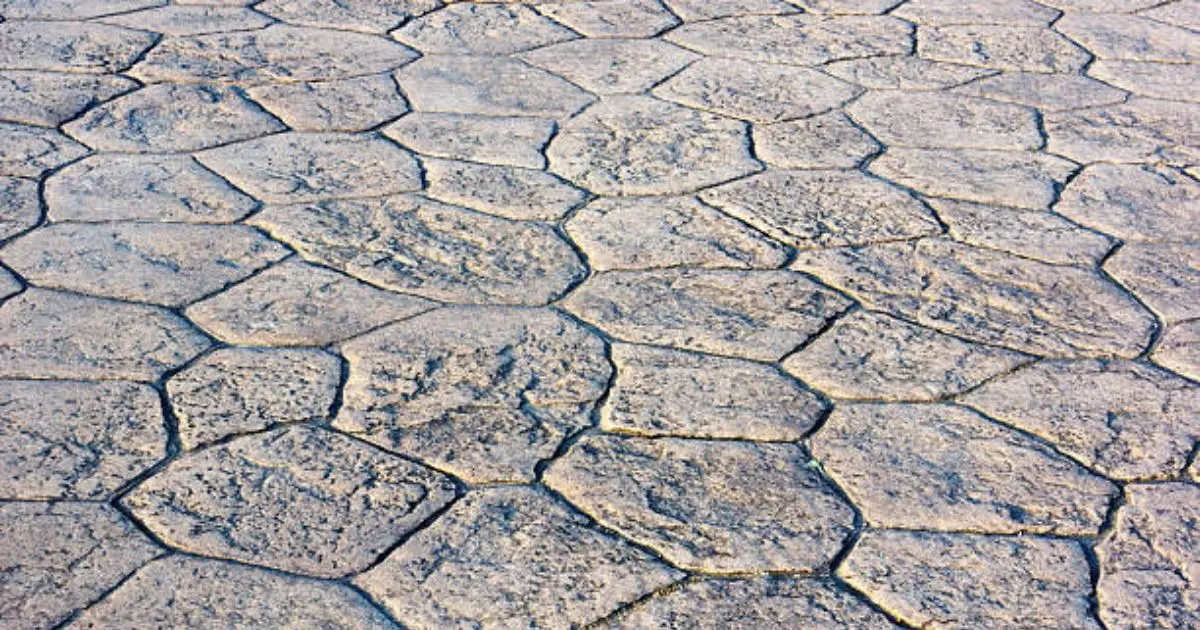
Table of Contents
Concrete landscape edging comes in 6 main styles. Poured-in-place curbing, precast border stones, mow strips, extruded curbing, stamped decorative borders, and exposed aggregate edging. Installed costs range from $3 to $15 per linear foot depending on style and complexity. Concrete edging outlasts plastic ($2 to $5 year lifespan), steel ($10 to $15 years), and wood ($5 to $8 years) by a wide margin. A concrete mow strip or curb border installed in 2026 will still be performing in 2046. This guide covers every concrete landscape edging style with costs, installation methods, and best applications.
1. Poured-in-Place Concrete Curbing
Poured-in-place concrete curbing is custom-formed on site using standard concrete in temporary forms. The concrete is mixed, placed in forms along the desired border line, finished by hand, and left to cure. This method produces a clean, professional border at any height, width, or curve radius you specify.
Standard dimensions are 4 to 6 inches wide and 4 to 6 inches tall (above grade). The curb extends 2 to 4 inches below grade for stability. A typical residential border uses 3,000 PSI concrete with a smooth trowel or broom finish.
Poured-in-place curbing costs $5 to $10 per linear foot installed for straight runs. Curves and corners add $1 to $3 per linear foot due to additional forming labor. A 100-linear-foot front yard border costs $500 to $1,000.
The primary advantage of poured-in-place curbing is durability. A properly installed concrete curb lasts 25 to 30 years. The curb is continuous with no joints or gaps for weeds or grass to penetrate. The disadvantage is the 24 to 48 hour cure time during which the curb is vulnerable to damage.
2. Extruded Concrete Curbing
Extruded concrete curbing uses a specialized curbing machine that shapes wet concrete through a mold (extrusion die) as it moves along the border line. The machine produces a continuous, uniform curb profile in a single pass. This is the most popular method for residential concrete edging in 2026.
Extruded curbing comes in dozens of profiles including slant, mower, square, and decorative shapes. The molder shapes the cross-section while an operator guides the machine along the desired path. Color pigment is mixed into the concrete for integral color options.
Installation speed is the biggest advantage. An extruded curbing crew can install 200 to 400 linear feet per day versus 50 to 100 feet per day for poured-in-place. This speed reduces labor cost. Extruded curbing costs $4 to $8 per linear foot installed.
The trade-off is durability. Extruded curbing uses a drier, stiffer concrete mix (required for the extrusion process to hold its shape) with no internal reinforcement. Without rebar or fiber reinforcement, extruded curbing can crack at weak points within 3 to 5 years, especially in freeze-thaw climates. Adding fiber reinforcement to the mix reduces cracking significantly.
3. Concrete Mow Strips
A concrete mow strip is a flat, flush-with-grade concrete border designed to allow lawn mower wheels to ride on it. The mower cuts right up to the edge of the garden bed without the need for string trimming. Mow strips save 15 to 30 minutes of trimming per mowing session.
Standard mow strip dimensions are 4 to 6 inches wide and 4 inches thick, installed flush with the surrounding lawn grade. The strip surface is smooth or lightly broomed. The edges are tooled with a rounded edger for a clean transition.
Mow strips cost $3 to $7 per linear foot installed. They require excavation, a compacted gravel base (2 inches), forming, pouring, and finishing. A 150-linear-foot perimeter around two garden beds costs $450 to $1,050.
Mow strips are the most practical concrete edging option for homeowners who maintain their own lawn. They eliminate the most time-consuming part of weekly mowing. They also create a crisp visual line between turf and mulched beds that never shifts or deteriorates like plastic or metal edging.
4. Precast Concrete Border Stones
Precast concrete border stones are factory-made units installed individually along the border line. Common shapes include straight sections (12 to 24 inches long), curved sections, and corner pieces. Precast borders are available in colors, textures, and profiles that mimic natural stone.
Installation involves excavating a shallow trench (3 to 4 inches deep), adding a 1 to 2 inch compacted gravel base, and setting the stones end to end. Secure the stones with concrete adhesive at the joints or a mortar bed for permanent installation.
Precast border stones cost $3 to $8 per linear foot for materials and $5 to $12 per linear foot installed. Home improvement stores carry basic precast edging at $1 to $4 per piece (12 to 24 inch lengths).
The advantage of precast borders is easy DIY installation. No concrete mixing, forming, or curing is required. Individual stones can be repositioned or replaced without affecting the rest of the border. The disadvantage is that individual stones can shift over time without proper base preparation and are less durable than continuous poured borders.
5. Stamped and Decorative Concrete Borders
Stamped concrete borders use the same color hardener, release agent, and stamp texture techniques used on stamped patios and driveways. The border is poured in place and stamped with patterns that replicate cobblestone, brick, flagstone, or decorative tile.
Decorative borders are typically 8 to 12 inches wide and 4 inches thick, providing a substantial visual frame around garden beds, walkways, and patio edges. The wider profile accommodates the stamp pattern and creates a more prominent design element than a simple curb.
Stamped borders cost $8 to $15 per linear foot installed. The higher cost reflects the additional materials (color hardener, release agent, sealer) and the skilled labor required for stamping. A 100-linear-foot stamped border costs $800 to $1,500.
Stamped borders require sealing every 2 to 3 years to maintain the color and pattern. Without sealer, the color fades and the surface wears. This ongoing maintenance cost ($0.50 to $1.00 per linear foot per application) is a consideration that simpler edging styles do not require.
6. Exposed Aggregate Concrete Edging
Exposed aggregate edging reveals the natural stone aggregate in the concrete surface by washing or brushing away the top layer of cement paste before the concrete fully cures. The result is a textured, natural-looking surface that shows the colors and shapes of the gravel or stone in the mix.
The appearance depends on the aggregate type. Standard gravel produces an earth-tone, natural look. Decorative aggregate (river rock, colored stone, or glass) creates a premium custom appearance. Specify the aggregate type when ordering concrete or use a surface retarder and hand-selected aggregate on smaller projects.
Exposed aggregate edging costs $6 to $12 per linear foot installed. The process requires precise timing. The surface retarder or water-washing must happen within a specific window (4 to 6 hours after pouring) when the surface paste is soft enough to remove but the concrete underneath is firm enough to hold the exposed aggregate in place.
Exposed aggregate edging provides excellent slip resistance due to the textured stone surface. It requires sealing every 3 to 5 years with a penetrating or acrylic sealer to prevent staining and to enhance the stone colors.
How to Choose the Right Concrete Edging Style
Match the edging style to your property’s design and your maintenance preferences. Modern homes with clean lines pair well with mow strips and straight poured curbing. Traditional homes suit stamped borders and precast stone edging. Rustic properties complement exposed aggregate and natural stone-look borders.
Consider the maintenance commitment. Mow strips and plain poured curbing need zero maintenance after installation. Stamped borders need resealing every 2 to 3 years. Precast stones may need periodic re-leveling and joint repair.
Match the edging to adjacent hardscaping. If your patio is stamped concrete, a stamped border in the same pattern creates visual continuity. If your walkway is exposed aggregate, matching edging ties the design together. Consistent materials across your property’s hardscaping produce a cohesive, professional appearance.
Budget is a practical factor. A full 200-linear-foot property border in stamped concrete costs $1,600 to $3,000. The same border in plain mow strips costs $600 to $1,400. If budget is limited, plain concrete edging delivers the same functional benefit (clean borders, reduced trimming, weed barrier) at a lower cost.
DIY vs Professional Concrete Edging Installation
DIY concrete edging is realistic for precast border stones and small sections of poured-in-place curbing. Precast stones require no concrete mixing and can be installed by one person in a weekend. Short poured curbing sections (under 20 feet) are manageable with a wheelbarrow mixer and basic forming skills.
Extruded curbing requires a specialized machine and is not a DIY project. Curbing machines cost $15,000 to $40,000 and require training to operate. This is exclusively professional territory.
Stamped and exposed aggregate borders require professional skills for consistent color application and timing-sensitive finishing techniques. These decorative methods produce poor results without experience.
Professional concrete edging installation costs $3 to $15 per linear foot depending on style. The value of professional installation is speed (a crew can edge an entire property in one day), uniform quality (consistent height, width, and finish), and warranty coverage (1 to 5 years on workmanship).
Frequently Asked Questions
How long does concrete landscape edging last?
Concrete landscape edging lasts 20 to 30 years when properly installed on a compacted base. Poured-in-place curbing with fiber reinforcement lasts the longest. Extruded curbing lasts 15 to 25 years. Precast border stones last 20+ years for the stones themselves but may need periodic releveling. All concrete edging outlasts plastic (2 to 5 years) and metal (10 to 15 years) alternatives by a wide margin.
How much does concrete edging cost per foot?
Concrete edging costs $3 to $15 per linear foot installed in 2026. Mow strips run $3 to $7. Extruded curbing runs $4 to $8. Poured-in-place curbing runs $5 to $10. Stamped decorative borders run $8 to $15. Precast border stones run $5 to $12 installed. Material-only costs for DIY precast stones are $1 to $4 per linear foot.
Can you DIY concrete landscape edging?
DIY concrete landscape edging is realistic for precast border stones and short sections of poured curbing. Precast stones need no concrete mixing. Poured curbing under 20 feet long is manageable with basic tools and a bag mix. Extruded curbing requires a professional machine. Stamped borders require professional stamping skills. For projects over 50 linear feet, hiring a professional is more efficient.
Does concrete edging prevent weeds?
Concrete edging significantly reduces weed growth at the border between lawn and garden beds. A continuous poured or extruded curb has no joints or gaps for weeds to penetrate. Precast stone borders with mortared joints also resist weed growth. Dry-laid precast stones with sand-filled joints allow some weed growth between units. No edging material eliminates weeds entirely in mulched beds.
What is the best concrete edging for a mowing border?
A flush-grade concrete mow strip (4 to 6 inches wide, 4 inches thick) is the best option for a mowing border. The flat surface allows mower wheels to ride on the strip and cut right up to the garden bed edge. This eliminates string trimming along the border. Mow strips cost $3 to $7 per linear foot installed and are the most practical edging upgrade for homeowners who mow their own lawn.
Is concrete edging better than metal edging?
Concrete edging is more durable and permanent than metal edging. Concrete lasts 20 to 30 years versus 10 to 15 years for steel edging. Concrete does not rust, bend, or shift out of position. Metal edging is thinner, less visible, and easier to install but eventually corrodes and loses its shape. For a permanent, maintenance-free border, concrete is the superior choice.
Start Quoting Concrete Projects Today
Use the Metal America Concrete app to instantly quote, sell, and manage concrete pad installations.
Get Started Free